
Kenakare Trip Advisors
A remote and ruggedly beautiful region in northwestern Namibia, characterized by vast expanses of desert, towering mountains, and winding dry riverbeds. Home to…
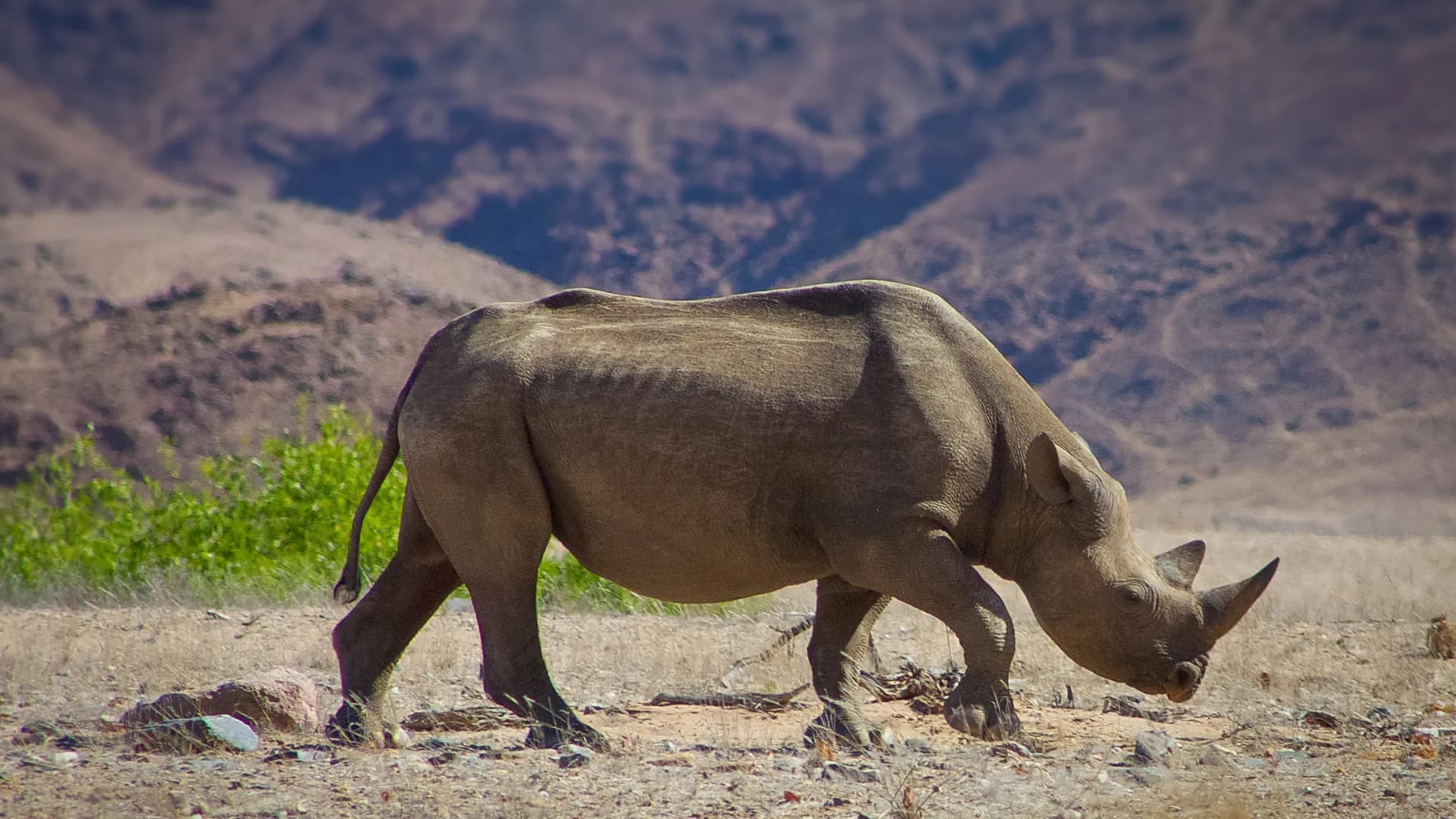
A remote and ruggedly beautiful region in northwestern Namibia, characterized by vast expanses of desert, towering mountains, and winding dry riverbeds. Home to the semi-nomadic Himba people, Kaokoland offers travelers a glimpse into traditional ways of life and ancient cultural practices. Explore the dramatic landscapes of the Marienfluss and Hartmann Valley, encounter desert-adapted wildlife such as elephants and giraffes, and marvel at the breathtaking beauty of the Epupa Falls.
With its untamed wilderness and rich cultural heritage, Kaokoland is a destination like no other, offering a truly immersive experience in the heart of Africa.
A respectful and sensitively guided visit to a semi-nomadic Himba homestead in the remote Kunene or Kamanjab region — an encounter with one of Africa's most visually striking and culturally intact communities. The Himba (OvaHimba) number approximately 50,000 and inhabit the remote Kaokoland and Kunene regions of northwestern Namibia, maintaining a pastoral lifestyle — herding cattle and goats across vast, arid communal lands — and a cultural identity that has resisted both European colonialism and post-independence assimilation with remarkable determination. The women are celebrated for their distinctive appearance: skin and hair covered in otjize (a paste of butterfat mixed with ochre pigment), elaborate multi-strand necklace systems whose design encodes social status and family relationships, and the erembe — the married woman's headdress of goatskin and ochre, its orientation indicating her position within the homestead. Your guide facilitates introductions with the homestead head and, through a local interpreter, conversations about daily life, the meaning of the otjize practice, the role of the sacred fire and the ancestral cattle, and the challenges facing the community in the 21st century — changing rainfall patterns, government land policies, and the tension between cultural preservation and access to education and healthcare. Community members receive a direct payment for hosting visitors; no photographs are taken without individual permission.
A journey to one of Namibia's most remote and dramatic waterfalls: Epupa Falls on the Kunene River, which forms the border between Namibia and Angola at a point approximately 165 km northwest of Opuwo. The Kunene here drops in a series of cascades over a 1.5 km stretch, the largest individual drop being approximately 37 metres, creating a permanently green and lush corridor of riverine vegetation — giant ficus trees, wild date palms, and dense Natal mahogany forest — in stark contrast to the bare, boulder-strewn Kaokoland landscape on either side. The falls area is inhabited by Himba communities who have lived alongside the river for generations, and the contrast between the green corridor of the Kunene and the brown arid mountains stretching to the horizon in every direction is visually extraordinary. The half-day excursion (from a lodge in the Opuwo or Puros area) includes a guided walk along the riverbank to view the falls from multiple angles, a stop at a Himba homestead above the falls, and time for swimming in a calm pool above the main cascade (seasonal and depth-dependent). Possible bird sightings include the very rare Cinderella waxbill, rock pratincole, and various kingfisher species along the river. The drive through Kaokoland is itself a spectacular experience: enormous landscapes, terrible roads, and an almost complete absence of other vehicles.
