
Kenakare Trip Advisors
A hauntingly beautiful stretch of Namibian coastline where the desert meets the sea. Named for the shipwrecks and bleached whale bones that litter its sandy…
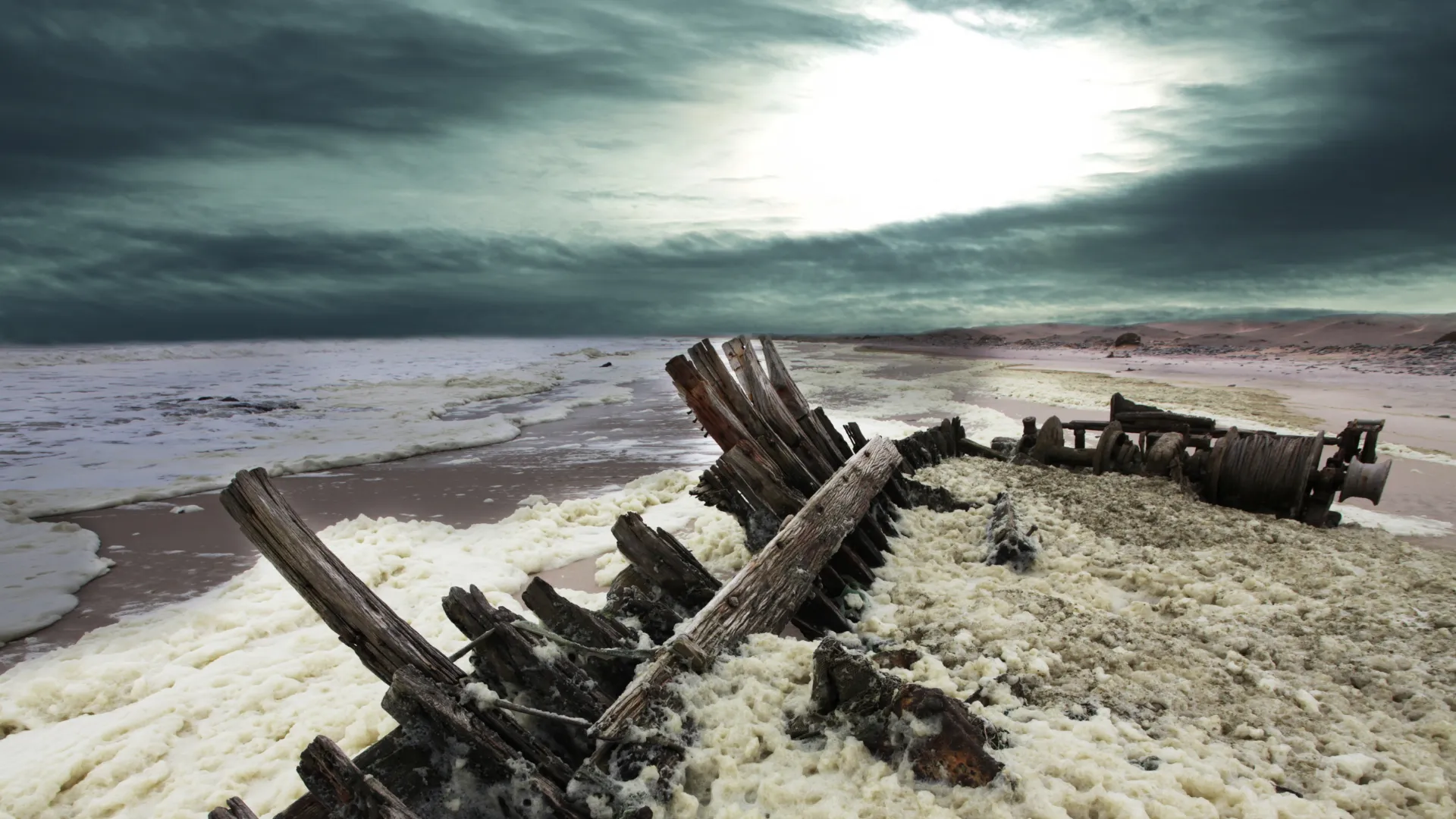
A hauntingly beautiful stretch of Namibian coastline where the desert meets the sea. Named for the shipwrecks and bleached whale bones that litter its sandy shores, this remote and desolate landscape is both eerie and enchanting. Explore towering dunes, dramatic cliffs, and fog-shrouded beaches, and encounter a wealth of wildlife adapted to survive in this harsh environment.
A photographer's paradise and a true wilderness adventure awaits those who dare to venture into the mysterious realm of the Skeleton Coast.
Cape Cross is home to the largest accessible Cape Fur Seal (Arctocephalus pusillus pusillus) colony in the world: up to 210,000 animals during peak season (October–December), packed across a 3 km stretch of rocky shoreline in a density that fills the senses completely — the noise, the smell, the movement, and the sheer visual spectacle of this many large mammals in one place is unlike anything in southern Africa. The reserve is accessed by a raised boardwalk that runs along the length of the colony, allowing visitors to approach within 5–10 metres of animals going about their daily business: bulls establishing and defending territories (and occasionally fighting — massive, violent encounters that leave both animals bloodied); mothers nursing pups; juveniles roughhousing in the surf; and young bulls attempting to infiltrate the harems of older, established males. Brown fur seals are distinguished from their southern counterparts by their larger body size: adult males reach 2.5 metres and 360 kg. The colony was first recorded by the Portuguese explorer Diego Cão in 1486, who erected the first Portuguese padrão (stone cross) on the African coast here — a replica stands at the site. Cape Cross is 120 km north of Swakopmund on the C34 coast road. Guided 4x4 excursion from Swakopmund available as a half-day trip. Entry fees included.
A guided multi-day self-drive expedition along the C34 and coastal track from Swakopmund northward through the Skeleton Coast National Park — one of the most remote and dramatic road journeys in Africa. The Skeleton Coast's fearsome reputation (named by Bushmen for the whale bones that once lined the shore, and by sailors for the ships that foundered on its fogs and reefs) is fully deserved: the coastline is an unbroken line of pounding Benguela surf, the landscape behind it a wilderness of gravel plains, salt pans, and occasional dramatic rocky outcrops where nothing grows but grey lichens. And yet it teems with life: Cape Cross seal colony (210,000 animals); brown hyena — rarely seen elsewhere — scavenging the beaches at dawn; black-backed jackal following the tideline; oryx standing in the surf to escape biting flies; shoals of seabirds following the Benguela upwelling. The expedition covers the accessible southern Skeleton Coast (Ugab River to Terrace Bay) with guided stops at the Cape Cross seal colony, shipwreck sites, salt spring formations, roaring dune areas, and the extraordinary 'ghost forests' of lichen-covered boulders. Self-drive participants follow a lead vehicle; guides explain the ecology, geology, and maritime history of each stop. Camping accommodation at NWR Terrace Bay and Torra Bay. 3–4 days recommended. Min 2 vehicles.
